Featured Snippet
The future of real estate development in the Middle East is being shaped by mega projects, smart cities, sustainable construction, artificial intelligence, and government-backed economic diversification. Countries such as the UAE and Saudi Arabia are leading the region with innovative developments that attract global investors, businesses, and residents while creating more resilient and technology-driven communities.
Table of Contents
- Introduction
- Why the Middle East Is Leading Global Real Estate Development
- Middle East Real Estate Market Overview (2026)
- Key Drivers Behind Regional Growth
- UAE Real Estate Development Trends
- Saudi Arabia Vision 2030 and Property Growth
Introduction
The Middle East has entered a new era of real estate development. No longer known only for luxury skyscrapers and ambitious architectural designs, the region is becoming a global benchmark for smart urban planning, sustainable construction, and technology-driven communities. Governments across the Gulf Cooperation Council (GCC) are investing heavily in infrastructure, transportation, renewable energy, tourism, and digital transformation to diversify their economies and create attractive environments for businesses and residents.
From Dubai’s expanding skyline to Saudi Arabia’s transformational mega projects, real estate development has become a key driver of economic growth. These developments are creating opportunities for developers, contractors, architects, engineers, technology providers, and investors alike. At the same time, changing buyer preferences, sustainability goals, and advancements in artificial intelligence (AI), Building Information Modeling (BIM), and digital twins are redefining how properties are designed, built, and managed.
This guide explores the major trends influencing real estate development in the Middle East in 2026 and highlights the opportunities and challenges shaping the region’s future.
Why the Middle East Is Leading Global Real Estate Development
The Middle East has evolved into one of the world’s fastest-growing real estate markets thanks to strong government support, long-term economic planning, and large-scale infrastructure investment. Countries across the region are developing integrated communities that combine residential, commercial, hospitality, healthcare, education, and entertainment facilities within sustainable urban environments.
Several factors contribute to this growth:
- Government-led economic diversification strategies
- Increasing foreign direct investment
- Population growth and urbanization
- Expansion of tourism and hospitality sectors
- Modern transportation infrastructure
- Demand for smart and sustainable communities
- Adoption of advanced construction technologies
Unlike traditional property markets, many Middle Eastern developments are planned as complete ecosystems where people can live, work, and enjoy leisure activities within connected, technology-enabled neighborhoods.
Another defining characteristic is the region’s willingness to embrace innovation. Developers are integrating AI-powered building management systems, renewable energy solutions, intelligent mobility networks, and digital infrastructure into new projects from the outset rather than retrofitting older developments.
Middle East Real Estate Market Overview (2026)
Real estate remains one of the strongest contributors to economic development across the GCC. Continued investment in housing, commercial properties, industrial facilities, tourism destinations, and mixed-use communities reflects governments’ long-term commitment to sustainable economic growth.
The market is increasingly driven by:
| Growth Driver | Impact on Real Estate |
|---|---|
| Population Growth | Higher demand for residential communities |
| Tourism Expansion | Increased hotel and mixed-use developments |
| Infrastructure Investment | Improved connectivity and land values |
| Foreign Investment | Strong demand for premium properties |
| Digital Transformation | Smarter and more efficient developments |
| Sustainability Goals | Greater focus on green buildings and energy efficiency |
Developers are also responding to evolving consumer expectations. Buyers and tenants increasingly value energy-efficient buildings, integrated amenities, flexible workspaces, smart home technologies, and communities designed around convenience and quality of life.
Key Drivers Behind Regional Growth
1. Economic Diversification
Many Gulf countries are reducing their dependence on oil revenues by investing in sectors such as tourism, technology, healthcare, logistics, manufacturing, and financial services. These industries require new commercial districts, residential communities, and supporting infrastructure, driving sustained demand for real estate development.
2. Smart City Development
Governments are building intelligent cities that integrate digital technologies into transportation, utilities, public services, and buildings. These projects prioritize efficiency, sustainability, and enhanced living experiences.
Smart cities often feature:
- AI-powered traffic management
- Connected public services
- Intelligent energy grids
- Smart building automation
- High-speed digital infrastructure
- Data-driven urban planning
3. Sustainability
Environmental responsibility is becoming central to new developments. Developers increasingly incorporate:
- Solar energy systems
- Water conservation technologies
- Green building materials
- Net-zero building strategies
- Efficient cooling systems
- Sustainable landscaping
These initiatives help reduce operational costs while supporting national sustainability objectives.
4. Construction Technology
Modern technologies are improving project delivery and operational efficiency.
Popular innovations include:
- Building Information Modeling (BIM)
- Artificial Intelligence (AI)
- Digital Twin technology
- Drone surveying
- Robotics
- Modular construction
- Prefabrication
- 3D printing
These technologies reduce construction timelines, improve quality, and minimize project risks.
UAE Real Estate Development Trends
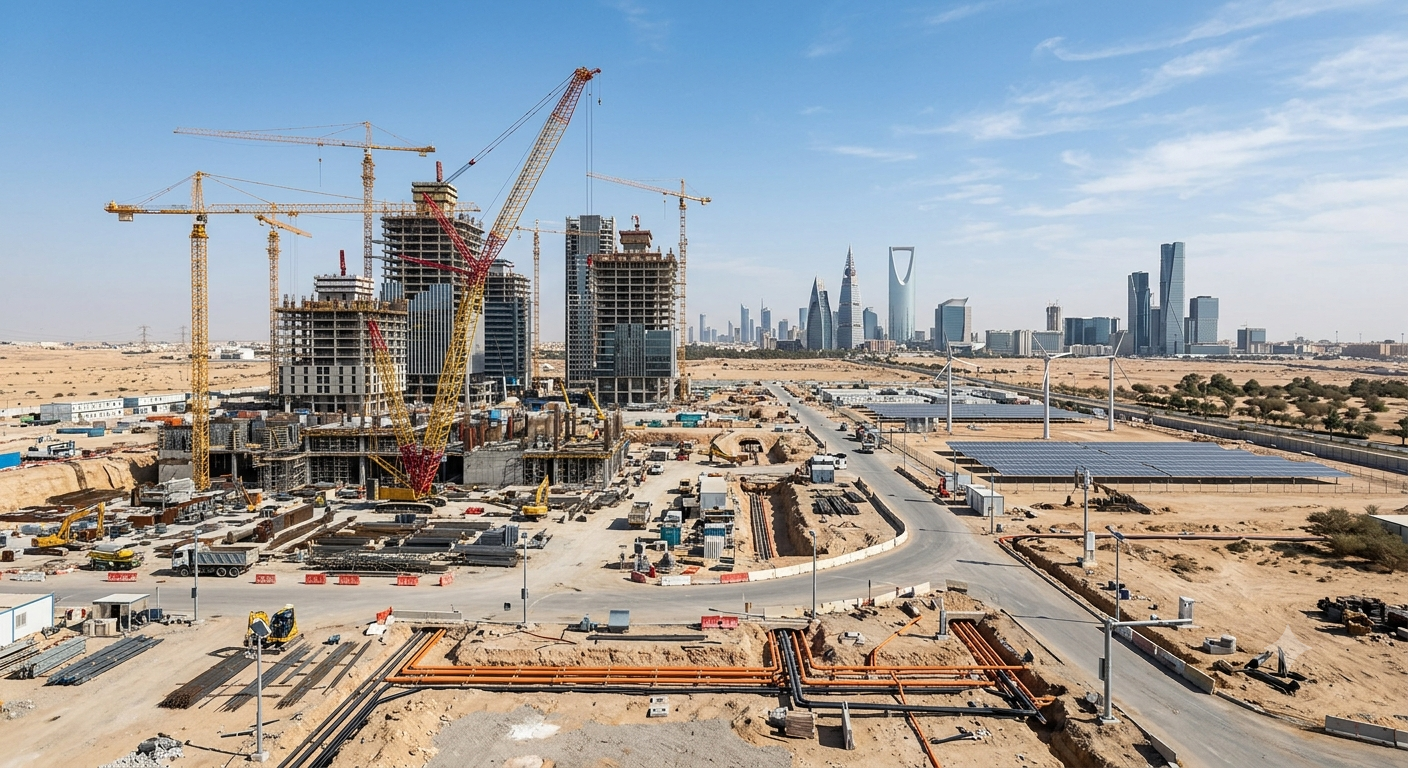
The United Arab Emirates continues to lead regional real estate innovation through a combination of visionary planning, investor-friendly policies, and advanced construction practices. Dubai and Abu Dhabi remain the primary growth centers, while emerging developments in other emirates are expanding investment opportunities.
Smart Communities
Modern residential projects increasingly integrate smart home technologies, digital security, energy management systems, and connected public infrastructure. Residents benefit from greater convenience, improved energy efficiency, and enhanced safety.
Mixed-Use Developments
Mixed-use communities continue to dominate the market by combining residential, commercial, retail, hospitality, and recreational facilities within walkable neighborhoods. This approach reduces commuting times and creates vibrant urban environments.
Sustainable Construction
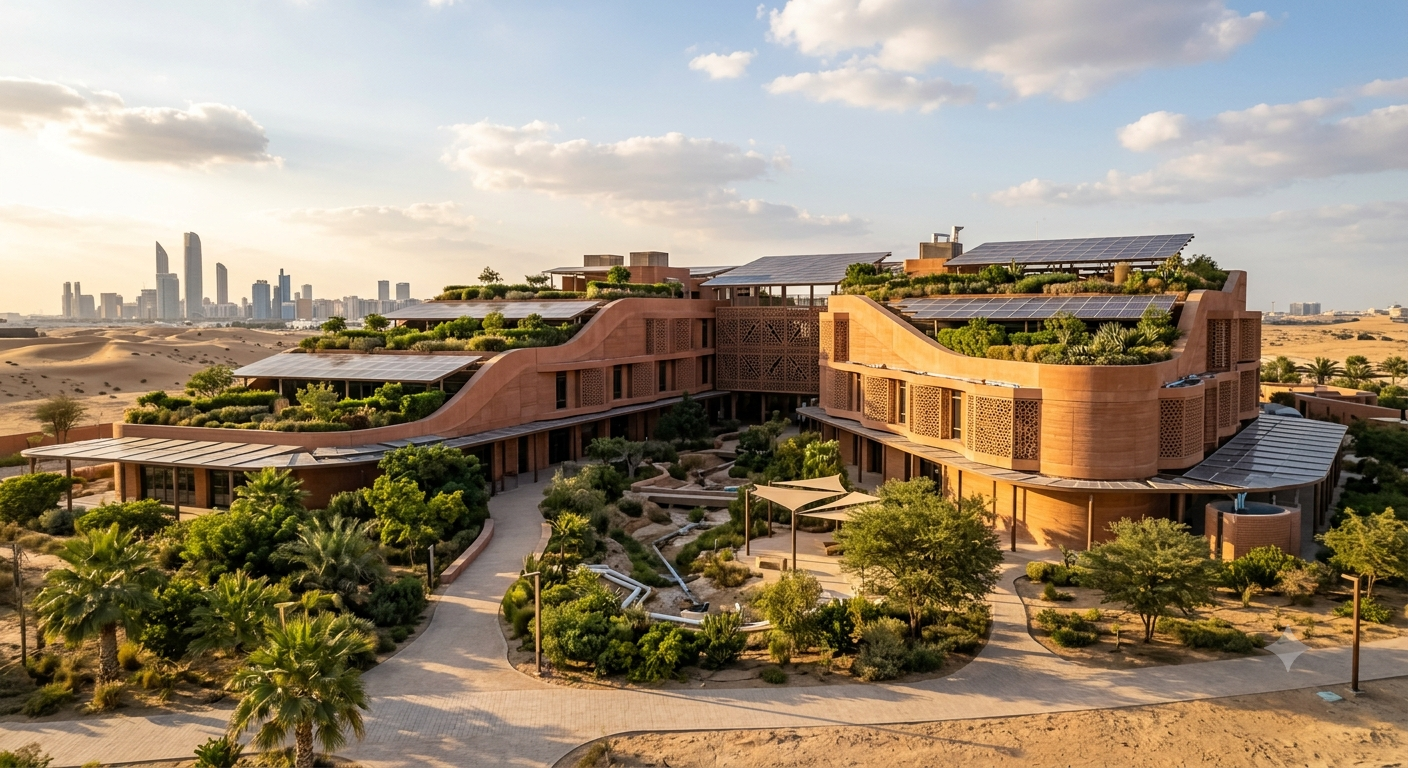
Sustainability is becoming a standard feature rather than a premium option. Developers are incorporating renewable energy systems, efficient building envelopes, recycled materials, and water-saving technologies into new projects.
Luxury and Branded Residences
Demand for premium properties remains strong, supported by international investors and high-net-worth individuals seeking quality developments with world-class amenities and prime locations.
Industrial and Logistics Growth
The rapid growth of e-commerce, manufacturing, and regional trade has increased demand for warehouses, logistics parks, and industrial real estate. Strategic infrastructure investments continue to strengthen the UAE’s position as a global logistics hub.
Saudi Arabia Vision 2030 and Property Growth
Saudi Arabia’s Vision 2030 has transformed the country’s real estate sector into one of the most ambitious development programs in the world. Large-scale investments in tourism, entertainment, housing, infrastructure, and smart cities are reshaping urban development across the Kingdom.
The government’s objective extends beyond constructing buildings. It focuses on creating diversified economic centers that support innovation, improve quality of life, and attract international businesses and investors.
Key priorities include:
- Expanding homeownership opportunities
- Developing sustainable urban communities
- Creating new tourism destinations
- Strengthening transportation infrastructure
- Encouraging private-sector investment
- Accelerating digital transformation
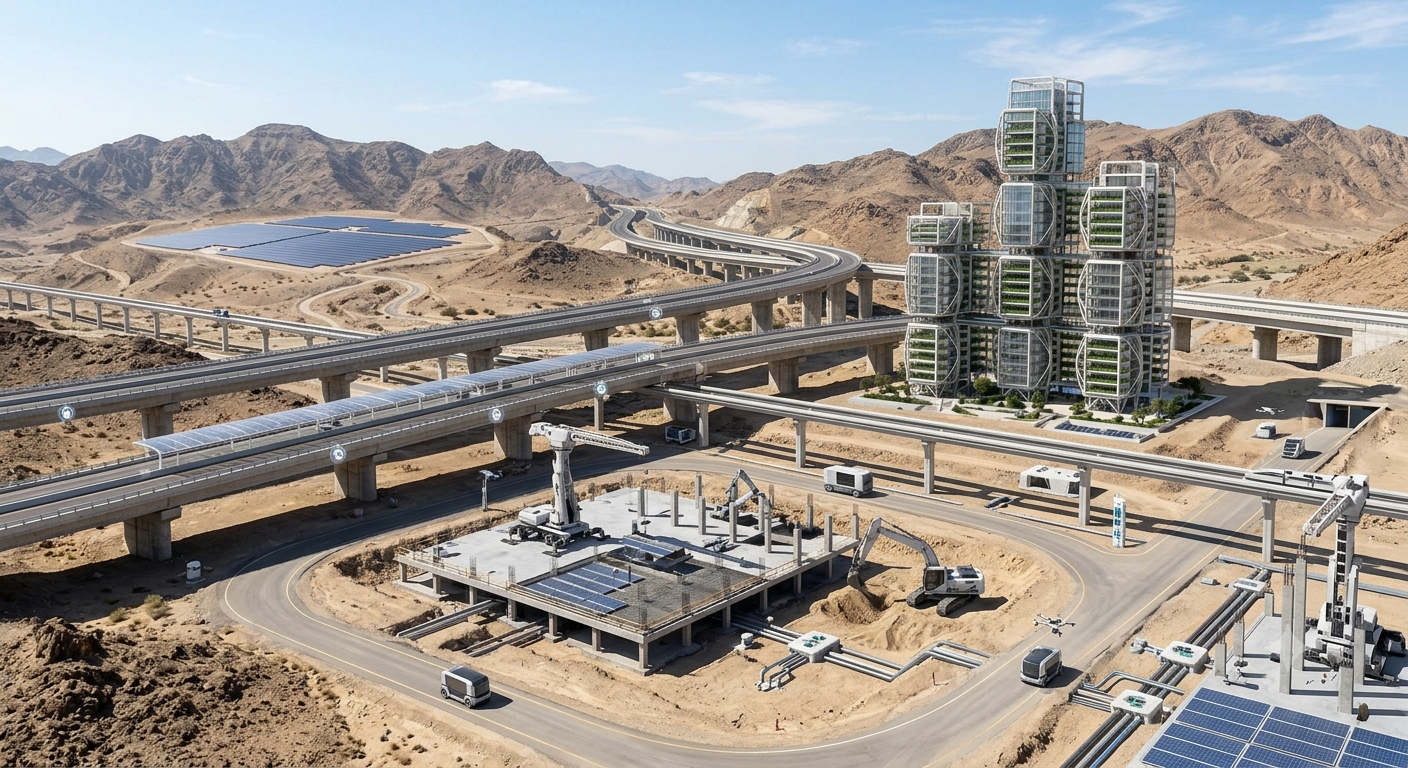
Mega projects such as NEOM, The Line, Red Sea developments, Diriyah, and New Murabba illustrate this long-term vision. These projects are designed to integrate cutting-edge technology, renewable energy, advanced mobility systems, and sustainable planning into future cities.
Saudi Arabia is also embracing advanced construction methods, including modular building techniques, AI-assisted project management, BIM workflows, and digital twins, to improve efficiency and accelerate delivery. These innovations are expected to influence real estate development across the broader Middle East over the coming decade.
Smart Cities, Mega Projects, Sustainability & Emerging Opportunities
GCC Emerging Markets: Beyond the UAE and Saudi Arabia
While the UAE and Saudi Arabia continue to dominate headlines, other Gulf Cooperation Council (GCC) countries are steadily expanding their real estate sectors through strategic infrastructure investments and economic diversification.
Qatar
Qatar continues to capitalize on its modern infrastructure, business-friendly environment, and tourism growth. New residential communities, waterfront developments, commercial districts, and hospitality projects are attracting regional and international investors. Sustainability and smart building technologies remain central to many new developments.
Oman
Oman is focusing on integrated tourism complexes, mixed-use developments, logistics hubs, and industrial zones. Improved transport infrastructure and investment incentives are encouraging long-term real estate growth while supporting the country’s diversification strategy.
Bahrain
Bahrain’s real estate market is benefiting from demand for waterfront communities, luxury residences, and commercial developments. Government initiatives promoting foreign investment continue to strengthen confidence in the property sector.
Kuwait
Kuwait is investing in residential expansion, infrastructure modernization, and smart urban planning. Housing demand and public-private partnerships are expected to drive future development across the country.
The Smart Cities Revolution
Smart cities are no longer futuristic concepts—they are becoming the foundation of urban development across the Middle East. Governments and developers are integrating digital technologies into every aspect of city planning to improve efficiency, sustainability, and quality of life.
A smart city uses connected technologies to manage transportation, utilities, public services, buildings, and environmental resources more effectively. The result is a city that is safer, more sustainable, and more responsive to residents’ needs.
Key Features of Smart Cities
- AI-powered traffic management
- Intelligent street lighting
- Smart parking systems
- Connected public transportation
- High-speed digital infrastructure
- Energy-efficient buildings
- IoT-enabled utilities
- Real-time environmental monitoring
- Smart waste management
- Digital public services
For developers, smart cities create opportunities to build properties equipped with advanced technology from the beginning rather than upgrading existing buildings later.
Mega Projects Transforming the Middle East
Mega projects are redefining the region’s skyline and positioning the Middle East as a global leader in innovation, tourism, and sustainable urban development.
NEOM
NEOM represents one of the world’s most ambitious urban development projects. Designed as a technology-driven region powered by renewable energy, it aims to redefine how future cities operate by integrating artificial intelligence, autonomous mobility, and sustainable infrastructure.
The Line
The Line is planned as a car-free linear city that prioritizes walkability, environmental sustainability, and high-speed transportation. Its innovative design seeks to reduce urban sprawl while maximizing efficiency and preserving natural landscapes.
Red Sea Developments
Luxury tourism developments along Saudi Arabia’s Red Sea coast focus on environmental conservation, renewable energy, and premium hospitality experiences. These projects demonstrate how tourism and sustainability can coexist.
Diriyah Development
The transformation of Diriyah combines cultural heritage preservation with modern residential, commercial, and hospitality developments, creating a destination that celebrates Saudi Arabia’s history while supporting future economic growth.
New Murabba
Planned as a modern urban district in Riyadh, New Murabba aims to introduce innovative residential, commercial, entertainment, and cultural spaces that support the city’s long-term expansion.
Artificial Intelligence Is Reshaping Real Estate Development
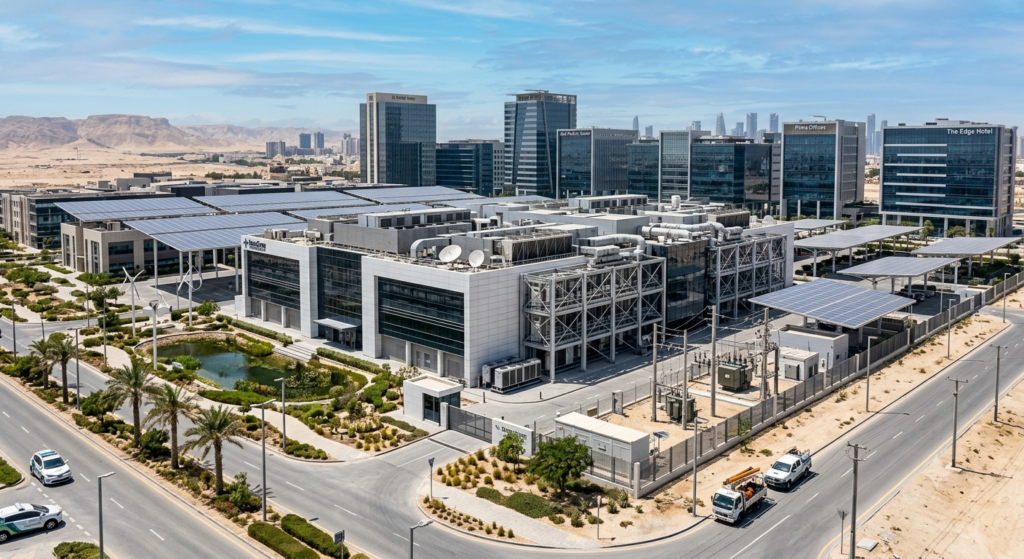
Artificial Intelligence (AI) has become one of the most influential technologies in the construction and real estate industries.
Developers now use AI throughout the project lifecycle—from planning and design to construction, property management, and customer service.
AI Applications in Real Estate
| AI Application | Benefits |
|---|---|
| Market Analysis | Better investment decisions |
| Predictive Analytics | Forecast property demand |
| Design Optimization | Faster project planning |
| Construction Monitoring | Improved productivity |
| Building Management | Lower operating costs |
| Customer Support | AI-powered virtual assistants |
| Energy Management | Reduced utility consumption |
| Predictive Maintenance | Early issue detection |
AI also improves decision-making by analyzing large datasets, identifying market trends, and helping investors evaluate future opportunities with greater confidence.
Building Information Modeling (BIM) and Digital Twins
Modern construction projects increasingly rely on digital technologies to improve efficiency and reduce project risks.
Building Information Modeling (BIM)
BIM creates intelligent digital models containing architectural, structural, and engineering information.
Benefits include:
- Better collaboration
- Fewer construction errors
- Improved scheduling
- Cost control
- Clash detection
- Lifecycle asset management
Digital Twin Technology
Digital twins create virtual replicas of buildings that continuously receive data from sensors installed in the physical structure.
This allows owners to monitor:
- Energy consumption
- Equipment performance
- Indoor environmental quality
- Occupancy trends
- Maintenance requirements
Digital twins reduce operational costs while improving building performance over time.
Sustainable Construction Is Becoming the New Standard
Environmental sustainability is now a major priority across the Middle East’s construction industry.
Governments, developers, and investors increasingly recognize that environmentally responsible buildings offer long-term financial and operational advantages.
Key Sustainability Practices
- Solar energy integration
- Green roofs
- Energy-efficient building envelopes
- Low-carbon construction materials
- Water recycling systems
- Smart irrigation
- Waste reduction programs
- Circular construction principles
Developers adopting these practices often experience lower operating costs, stronger investor interest, and improved long-term asset value.
Green Buildings and Net-Zero Communities
The next generation of developments goes beyond individual green buildings by creating entire communities designed around sustainability.
These communities typically include:
- Renewable energy generation
- Walkable neighborhoods
- Public transportation
- Electric vehicle charging
- Water conservation
- Smart utility management
- Parks and green spaces
- Climate-resilient infrastructure
Green certifications such as LEED and regional sustainability frameworks encourage developers to design projects with reduced environmental impact while enhancing occupant comfort.
Mixed-Use Developments Continue to Dominate
Mixed-use developments combine residential, commercial, office, hospitality, retail, healthcare, education, and entertainment facilities within a single integrated community.
Advantages
- Higher property values
- Reduced commuting times
- Increased foot traffic for businesses
- Stronger community engagement
- Better land utilization
- Improved quality of life
Developers increasingly favor this model because it creates vibrant neighborhoods that remain active throughout the day and support long-term economic resilience.
Why Investors Are Watching the Middle East
Several factors continue attracting international investors to the region:
- Stable long-term development strategies
- Government support for foreign investment
- Large-scale infrastructure spending
- Population growth
- Expanding tourism sector
- Business-friendly reforms
- Technology-driven construction
- High demand for premium residential and commercial properties
Investors are particularly interested in projects that combine sustainability, digital innovation, and strategic locations near transportation corridors, business districts, and tourism destinations.
Key Takeaways
| Trend | Impact |
|---|---|
| Smart Cities | More efficient and connected communities |
| AI Adoption | Faster planning and better property management |
| BIM & Digital Twins | Improved construction quality and lifecycle management |
| Sustainable Construction | Lower environmental impact and operating costs |
| Mega Projects | Economic diversification and investment growth |
| Mixed-Use Communities | Better urban living and higher property values |
| Foreign Investment | Increased market confidence and development opportunities |
Affordable Housing: Meeting the Needs of a Growing Population
While luxury developments often dominate headlines, affordable housing is becoming one of the fastest-growing segments of the Middle East real estate market. Population growth, urban migration, and rising demand from young professionals and middle-income families are encouraging governments and private developers to expand housing options.
Affordable housing projects focus on:
- Energy-efficient apartments and villas
- Transit-oriented communities
- Mixed-income neighborhoods
- Sustainable infrastructure
- Community facilities such as schools, parks, and healthcare centers
Governments are also introducing financing programs, public-private partnerships (PPPs), and regulatory reforms to improve housing accessibility while maintaining construction quality.
Luxury Property Trends
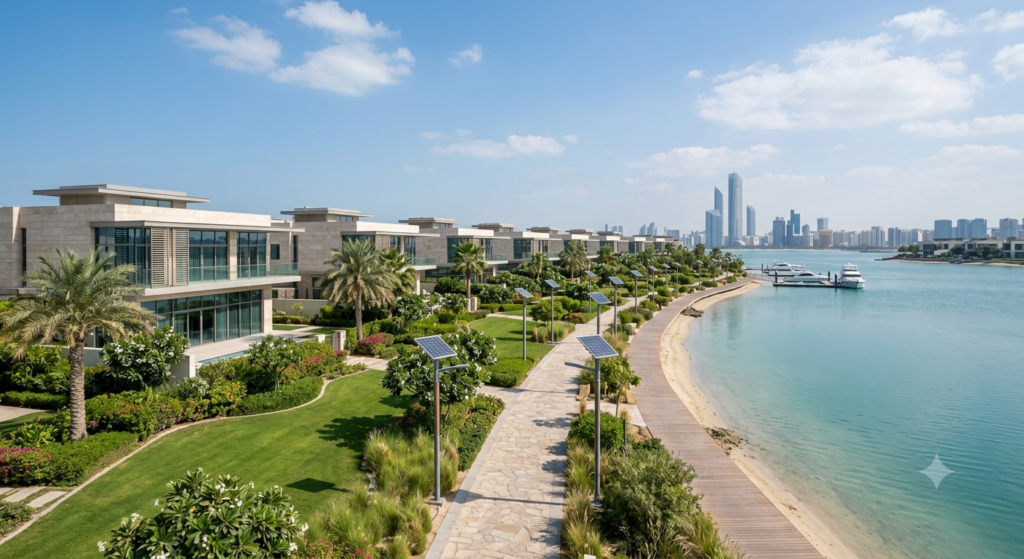
The Middle East remains one of the world’s leading destinations for luxury real estate. High-net-worth individuals are increasingly seeking branded residences, waterfront villas, penthouses, and exclusive gated communities offering premium amenities.
Key Luxury Trends
- Branded residences managed by global hospitality brands
- Smart home automation
- Wellness-focused communities
- Private beaches and marinas
- Sustainable luxury developments
- Personalized concierge services
- Integrated retail and entertainment
Luxury developments in Dubai, Abu Dhabi, Riyadh, and Doha continue to attract international buyers looking for long-term investment opportunities and high-quality lifestyles.
Commercial Real Estate Continues to Evolve
Commercial property is adapting to changing workplace and business requirements. Companies increasingly demand flexible office spaces, technology-enabled buildings, and mixed-use business districts.
Growing commercial sectors include:
- Grade A office buildings
- Business parks
- Medical facilities
- Educational campuses
- Hospitality developments
- Retail destinations
- Co-working spaces
Developers are designing commercial buildings with sustainability certifications, flexible layouts, and digital infrastructure to meet future business needs.
Industrial and Logistics Developments
The rapid growth of e-commerce, manufacturing, and international trade has significantly increased demand for logistics and industrial real estate across the GCC.
Key development areas include:
- Logistics parks
- Distribution centers
- Cold storage facilities
- Industrial zones
- Free economic zones
- Warehousing hubs
Strategic locations near ports, airports, and major highways are becoming highly attractive for investors and logistics operators.
Data Centers and Digital Infrastructure
As artificial intelligence, cloud computing, and digital services expand across the Middle East, demand for data centers continues to grow.
Modern data center developments require:
- Reliable power infrastructure
- Renewable energy integration
- Advanced cooling technologies
- High-speed connectivity
- Enhanced cybersecurity
- Sustainable operations
This emerging sector creates significant opportunities for developers specializing in digital infrastructure.
Infrastructure Investment Drives Property Values
Large-scale infrastructure projects continue to increase land values and improve connectivity throughout the region.
Examples include:
- Metro expansions
- High-speed rail networks
- International airports
- Smart highways
- Seaports
- Renewable energy projects
- Water infrastructure
Improved transportation and utilities make surrounding residential and commercial developments more attractive to businesses and investors.
Foreign Investment Opportunities
The Middle East continues to attract international investors through:
- Long-term national development strategies
- Business-friendly regulations
- Modern infrastructure
- Strategic global location
- Growing tourism sector
- Expanding technology ecosystem
Foreign investment is particularly strong in:
- Residential developments
- Commercial office space
- Hospitality projects
- Industrial real estate
- Logistics facilities
- Mixed-use communities
Developers that prioritize sustainability, innovation, and quality construction are well positioned to benefit from increasing investor confidence.
PropTech Is Transforming Real Estate
Property Technology (PropTech) is reshaping how real estate is developed, marketed, and managed.
Popular PropTech solutions include:
- AI-powered property valuations
- Virtual property tours
- Blockchain-enabled transactions
- Smart building management systems
- Digital leasing platforms
- Predictive maintenance software
- IoT-connected buildings
These technologies improve operational efficiency while enhancing customer experience.
Challenges Facing the Industry
Despite strong growth, developers face several important challenges.
Rising Construction Costs
Material prices, labor availability, and supply chain disruptions can affect project budgets.
Skilled Workforce Demand
Advanced technologies require experienced professionals in engineering, digital construction, AI, BIM, and sustainability.
Environmental Responsibility
Developers must balance rapid urban growth with climate resilience and resource conservation.
Regulatory Compliance
Projects must comply with evolving building codes, sustainability standards, and investment regulations.
Organizations that embrace innovation, workforce development, and sustainable practices will be better equipped to overcome these challenges.
Future Outlook (2026–2035)
The next decade is expected to redefine urban living across the Middle East. Several trends are likely to shape the region’s future:
- Expansion of AI-driven cities
- Greater adoption of modular construction
- Increased use of digital twins
- Growth of renewable energy communities
- Expansion of transit-oriented developments
- Stronger ESG investment requirements
- Wider adoption of smart infrastructure
- Continued economic diversification
- Growth in data center and logistics developments
- Increased demand for sustainable residential communities
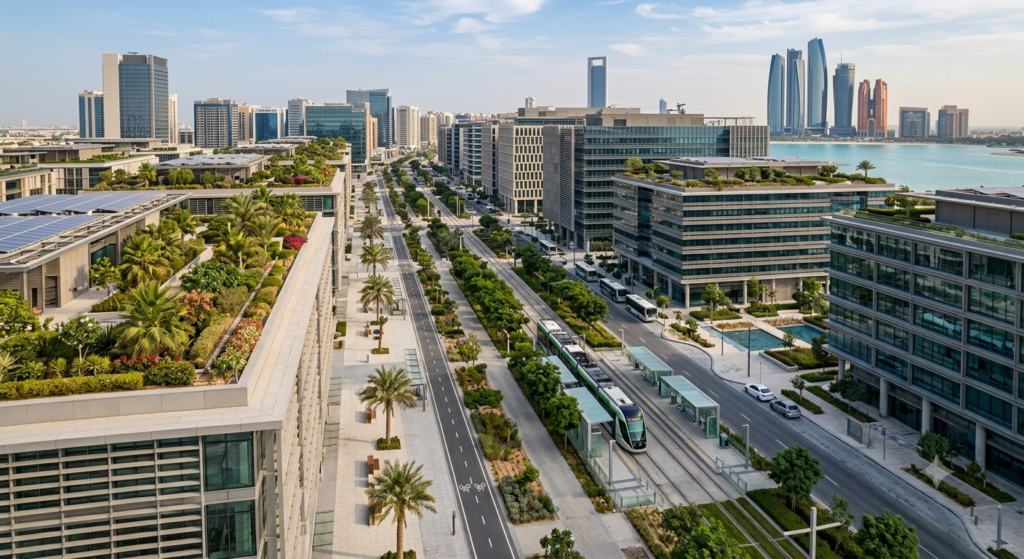
Rather than focusing solely on iconic buildings, future developments will prioritize resilient, connected, and people-centered communities designed for long-term sustainability.
Expert Recommendations
For Developers:
- Invest in sustainable design from the planning stage.
- Adopt BIM, AI, and digital twin technologies.
- Focus on mixed-use and transit-oriented developments.
- Build adaptable spaces that meet changing market demands.
For Investors:
- Diversify across residential, commercial, logistics, and hospitality sectors.
- Evaluate projects with strong infrastructure connectivity.
- Consider developments aligned with long-term government strategies.
For Construction Professionals:
- Develop expertise in digital construction technologies.
- Stay informed about evolving sustainability standards.
- Strengthen skills in project management and smart building systems.
Frequently Asked Questions (FAQs)
1. Why is the Middle East becoming a global real estate hub?
Government investment, economic diversification, infrastructure expansion, and technology-driven urban planning are fueling long-term growth.
2. Which country leads real estate development in the Middle East?
The UAE and Saudi Arabia currently lead the region through large-scale developments and ambitious national strategies.
3. What role do smart cities play in future development?
Smart cities improve efficiency, sustainability, mobility, and quality of life through connected technologies.
4. How does AI benefit real estate development?
AI enhances planning, design, construction management, maintenance, and investment analysis.
5. What is BIM?
Building Information Modeling (BIM) is a digital process that improves collaboration, design accuracy, and project management.
6. What are digital twins?
Digital twins are virtual models of physical buildings used to monitor performance and optimize operations.
7. Why are green buildings important?
They reduce energy consumption, lower operating costs, and improve environmental performance.
8. What attracts foreign investors to the GCC?
Political stability, modern infrastructure, favorable regulations, and long-term development plans.
9. Which property sectors are expected to grow?
Residential, logistics, hospitality, commercial, industrial, and data center developments.
10. What is the biggest opportunity for developers?
Creating sustainable, technology-enabled mixed-use communities that meet future urban needs.
Conclusion
The future of real estate development in the Middle East is being shaped by innovation, sustainability, and long-term strategic planning. Governments across the GCC are transforming cities through smart infrastructure, renewable energy, advanced construction technologies, and ambitious mega projects that attract global investment.
As artificial intelligence, digital twins, BIM, and PropTech become standard tools across the construction industry, developers can deliver projects more efficiently while improving building performance and environmental sustainability.
Although challenges such as rising construction costs, workforce development, and regulatory compliance remain, the region’s commitment to innovation positions it for continued growth. Companies that embrace sustainable practices, digital transformation, and customer-focused development will be best placed to succeed in the evolving real estate landscape.
The Middle East is no longer simply building larger cities—it is creating smarter, greener, and more resilient communities that will influence global real estate development for decades to come.