Introduction
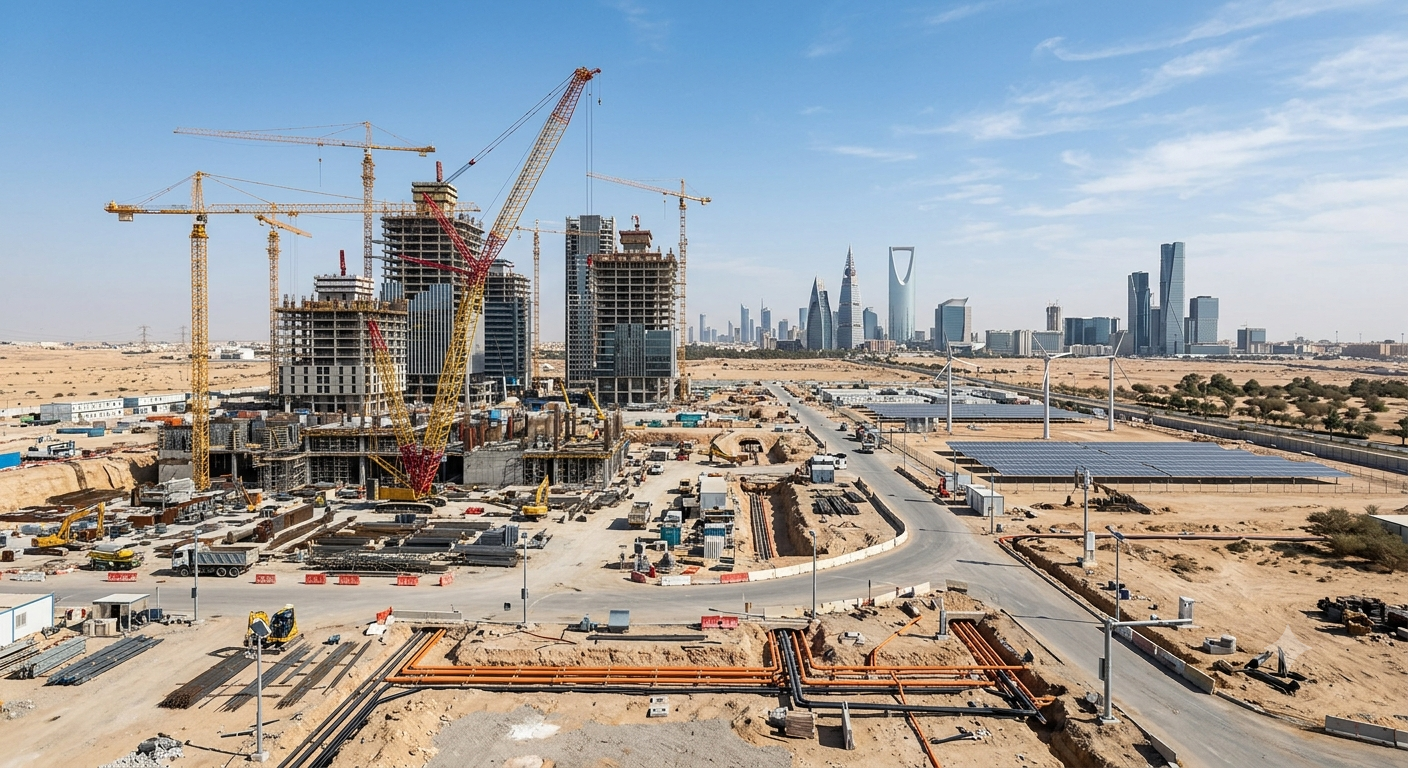
The Middle East is witnessing rapid growth in smart cities, transportation networks, commercial developments, and sustainable infrastructure. As projects become larger and more complex, engineering teams are adopting advanced digital technologies to improve efficiency, reduce costs, and enhance long-term asset performance.
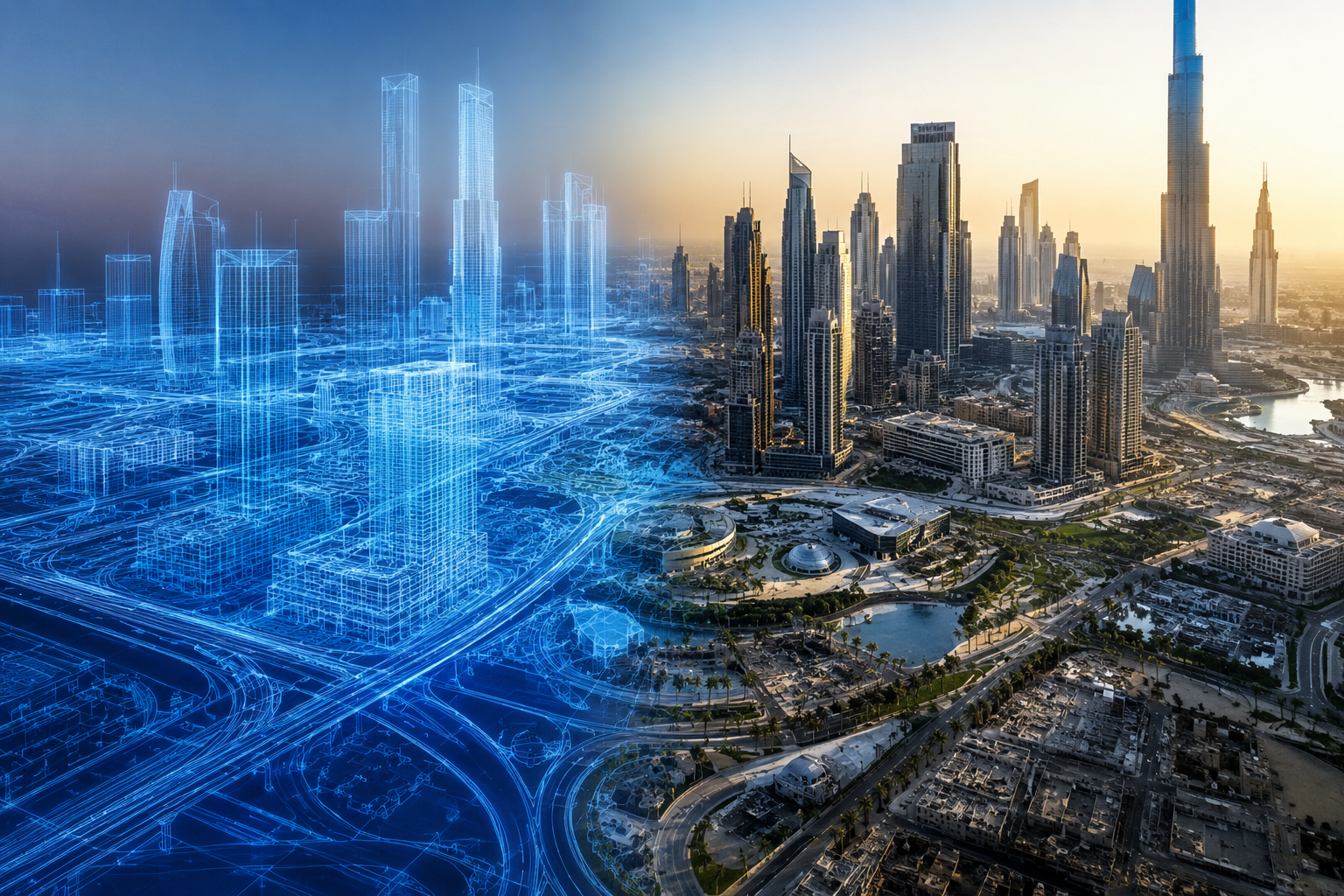
One of the most transformative innovations is Digital Twin technology. Unlike a traditional 3D model, a Digital Twin is a dynamic virtual representation of a physical asset that continuously receives real-time data from sensors. By integrating Building Information Modeling (BIM), Artificial Intelligence (AI), Internet of Things (IoT), and cloud computing, Digital Twins enable engineers to monitor infrastructure, predict maintenance needs, optimize operations, and make better decisions throughout an asset’s lifecycle.
What Is a Digital Twin?
A Digital Twin is a real-time digital replica of a physical asset, such as a building, bridge, airport, or utility network. It continuously collects and analyzes operational data, allowing engineers to monitor performance, simulate scenarios, and improve asset management.
Digital Twin vs. BIM
While BIM supports the design and construction phases, a Digital Twin extends beyond project completion by using live data to optimize operations and maintenance.
| BIM | Digital Twin |
|---|---|
| Design-focused | Lifecycle-focused |
| Static model | Real-time model |
| Manual updates | Automatic data updates |
| Used during design and construction | Used throughout the asset lifecycle |
Why Digital Twins Matter for Modern Engineering
Digital Twins help engineering teams make smarter, data-driven decisions by providing real-time visibility into infrastructure performance.
Key Benefits
- Real-time monitoring of assets and equipment
- Predictive maintenance to reduce downtime
- Improved engineering decisions through data analytics
- Better collaboration between stakeholders
- Lower operational and maintenance costs
- Extended asset lifespan
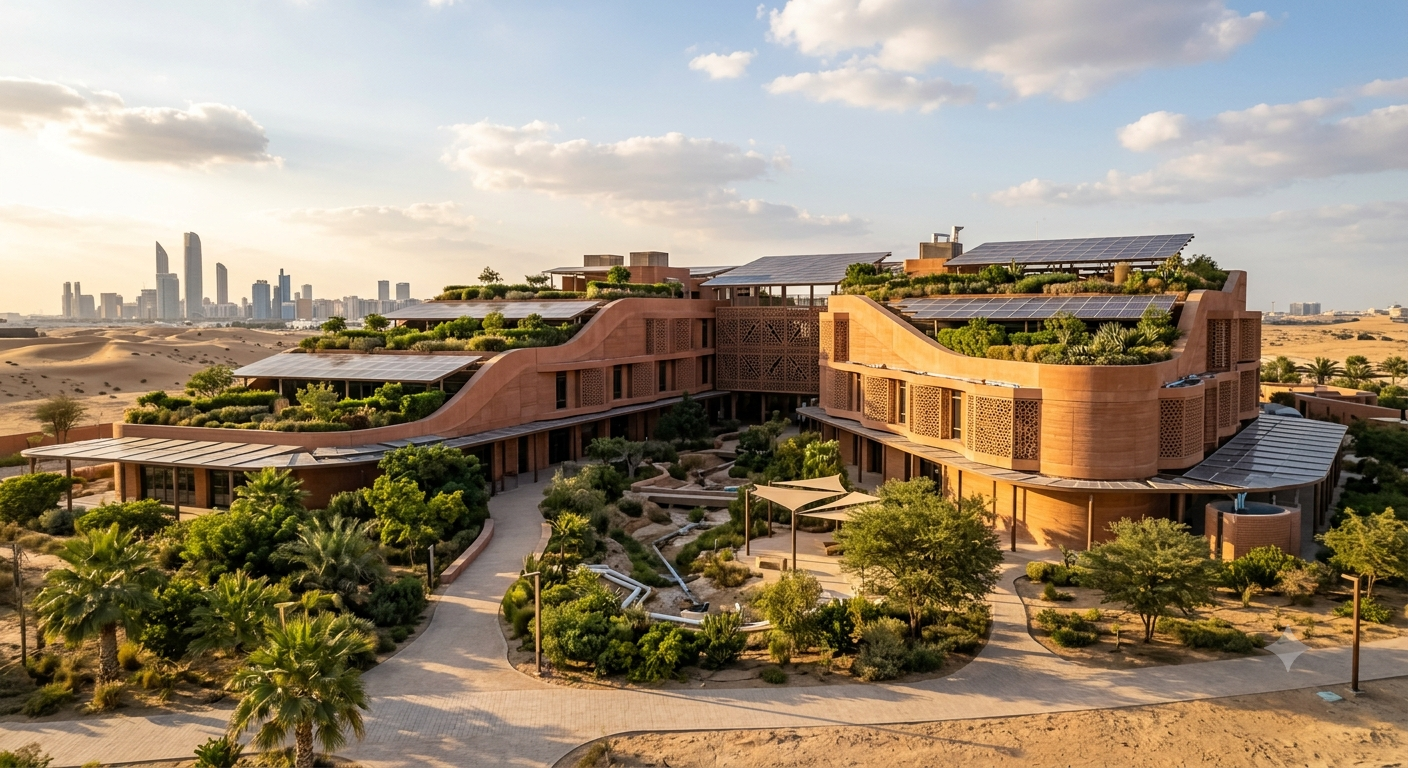
- Enhanced sustainability and energy efficiency
By identifying potential issues before they become critical, Digital Twins reduce project risks and improve overall infrastructure reliability.
Applications in Middle East Infrastructure
Digital Twins are transforming a wide range of infrastructure projects across the GCC.
Smart Cities
Digital Twins support intelligent urban planning by optimizing traffic, utilities, energy consumption, and public services.
Transportation
Airports, metro systems, highways, and bridges use Digital Twins to monitor operations, improve maintenance, and enhance safety.
Utilities and Water Infrastructure
Real-time monitoring of water networks, power systems, and district cooling improves efficiency while reducing resource waste.
Commercial and Industrial Buildings
Facility managers use Digital Twins to optimize HVAC systems, energy usage, occupancy, and predictive maintenance, creating more efficient and sustainable buildings.
How AI, IoT, BIM, and Cloud Computing Work Together
Digital Twins rely on several interconnected technologies:
- BIM creates the digital foundation.
- IoT sensors collect live operational data.
- Cloud platforms store and process information.
- AI analyzes data, predicts failures, and recommends improvements.
Together, these technologies create an intelligent engineering ecosystem that supports better planning, construction, and asset management.
Benefits for Engineering Firms and Contractors
Digital Twin technology provides value throughout the project lifecycle.
Major Advantages
- Reduced construction costs
- Faster project delivery
- Improved productivity
- Better quality control
- Predictive maintenance
- Increased safety
- Reduced equipment downtime
- Lower energy consumption
- Stronger collaboration between project teams
These benefits help contractors, developers, and infrastructure owners improve project performance while maximizing long-term return on investment.
Digital Twins and Smart Cities in the Middle East
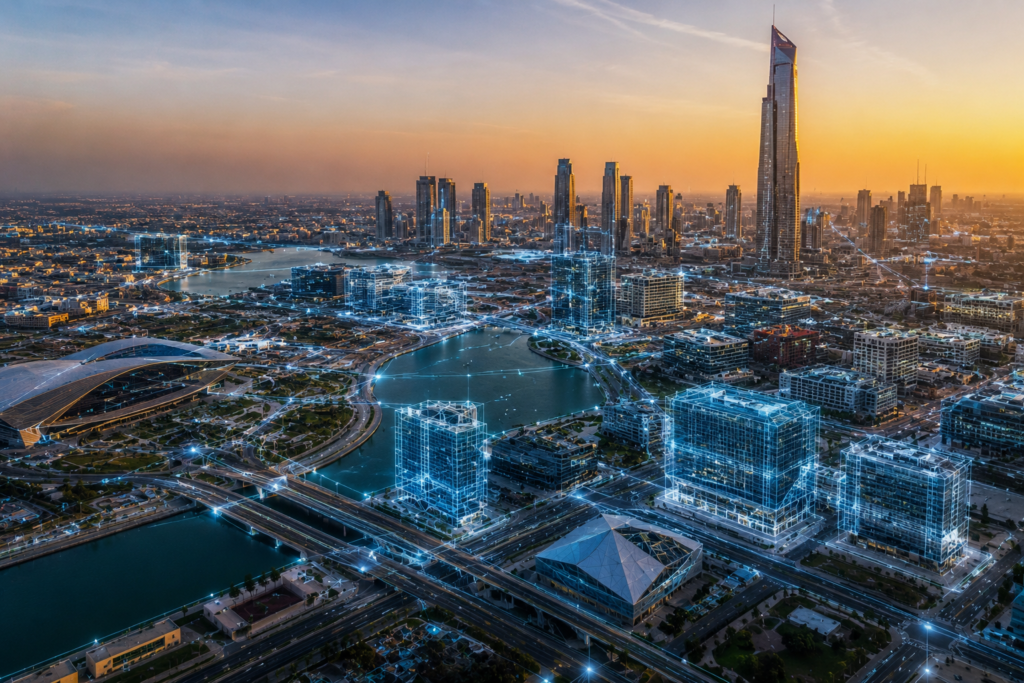
Countries across the GCC are investing heavily in smart infrastructure as part of broader digital transformation strategies. Digital Twins support these initiatives by enabling better urban planning, energy optimization, intelligent transportation, environmental monitoring, and utility management.
As cities become increasingly connected, Digital Twins provide the real-time insights needed to improve operational efficiency, enhance public services, and support sustainable development.
Challenges to Adoption
Despite their advantages, Digital Twins present several implementation challenges.
These include:
- High initial investment
- Data integration across multiple systems
- Cybersecurity risks
- Skills shortages
- Legacy infrastructure
- Organizational resistance to change
Successful adoption requires careful planning, workforce training, strong data governance, and a phased implementation strategy.
Future Trends
The future of Digital Twin technology is closely linked with advancements in AI, automation, robotics, edge computing, and 5G connectivity.
Emerging trends include:
- AI-powered predictive analytics
- Autonomous infrastructure monitoring
- Robotic inspections
- Intelligent asset management
- Net-zero infrastructure optimization
- Fully integrated digital engineering ecosystems
As these technologies mature, Digital Twins will become an essential component of engineering and infrastructure development throughout the Middle East.
Conclusion
Digital Twin technology is transforming engineering by providing real-time visibility, predictive insights, and intelligent asset management. By integrating BIM, AI, IoT, and cloud computing, Digital Twins improve decision-making, reduce costs, enhance sustainability, and extend the lifespan of critical infrastructure.
For the Middle East, where governments continue to invest in smart cities, transportation, utilities, and sustainable development, Digital Twins represent a key technology for delivering resilient, efficient, and future-ready infrastructure.
Organizations that embrace Digital Twin technology today will be better positioned to meet the evolving demands of tomorrow’s built environment.