Introduction
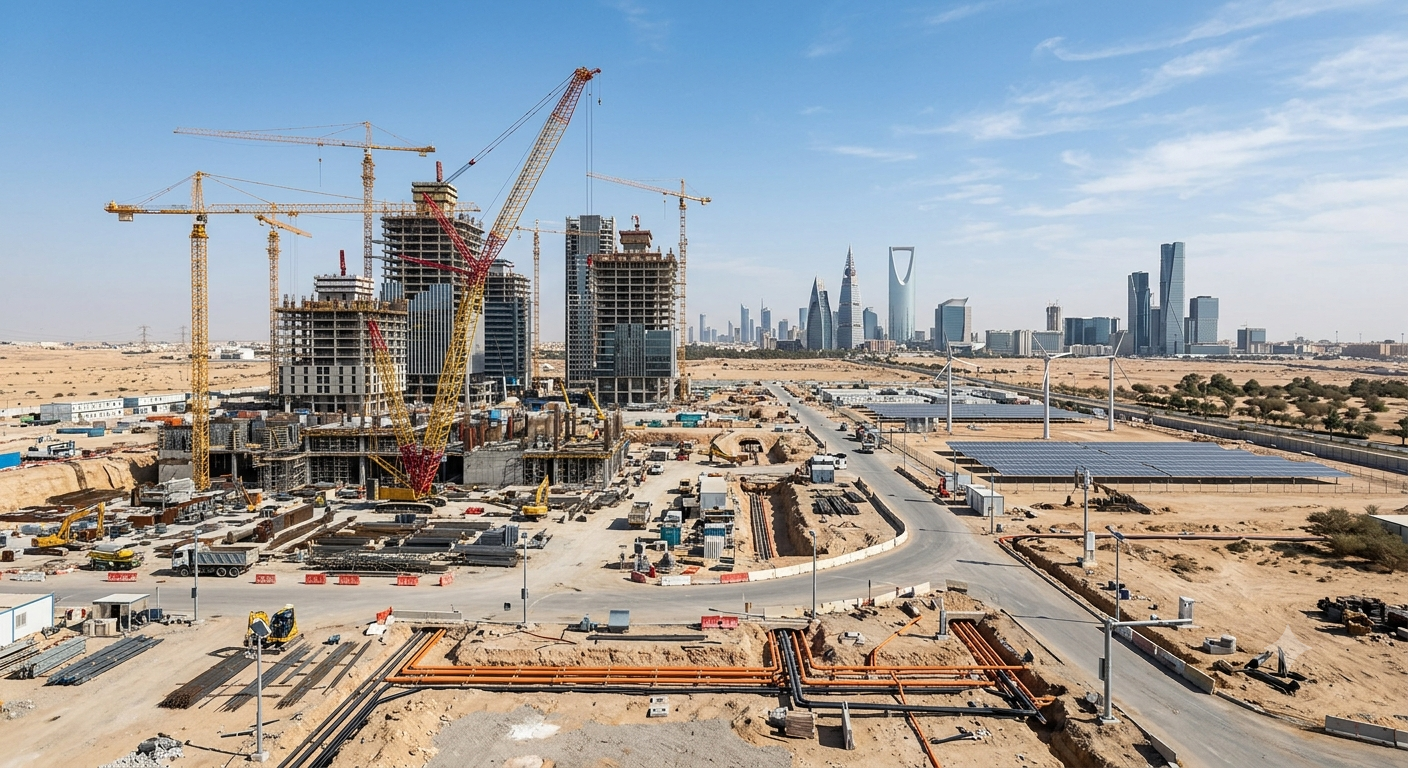
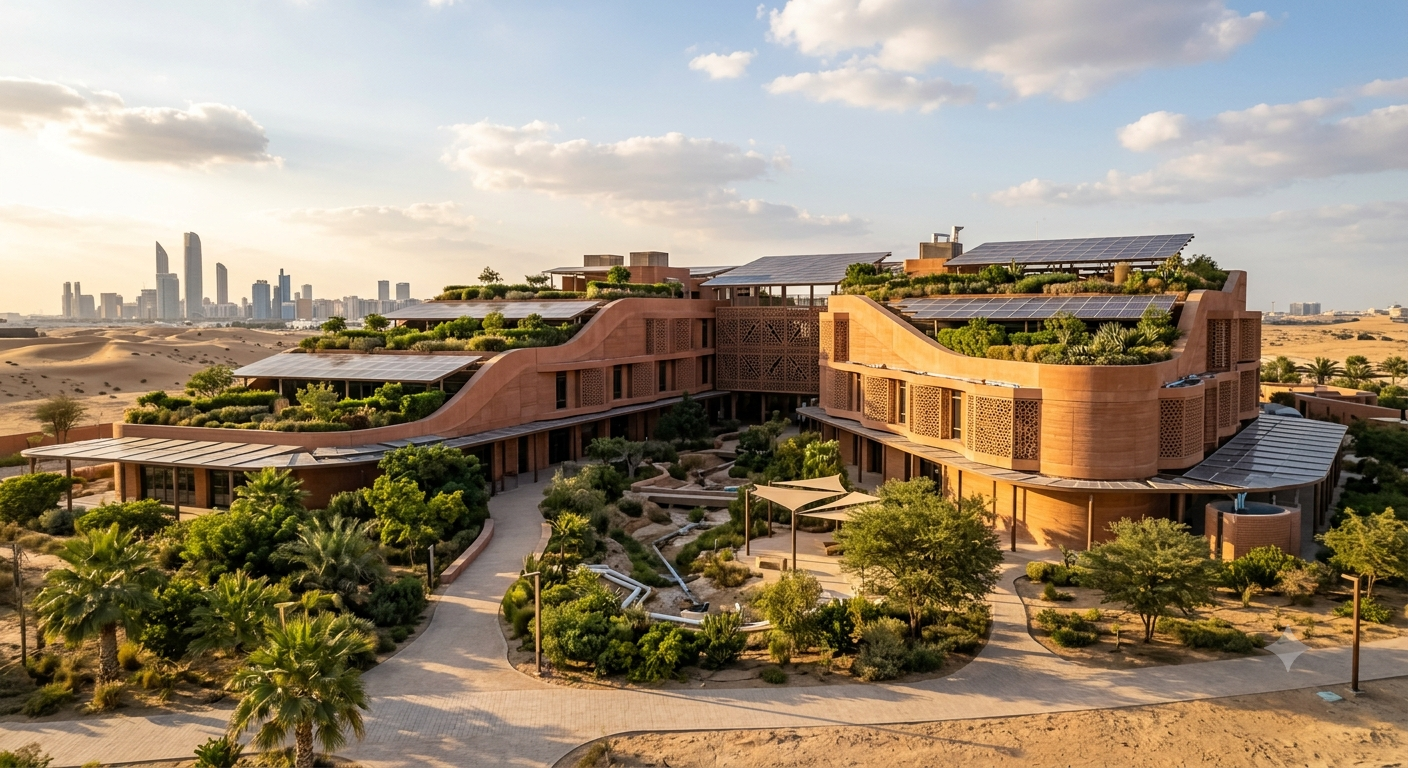
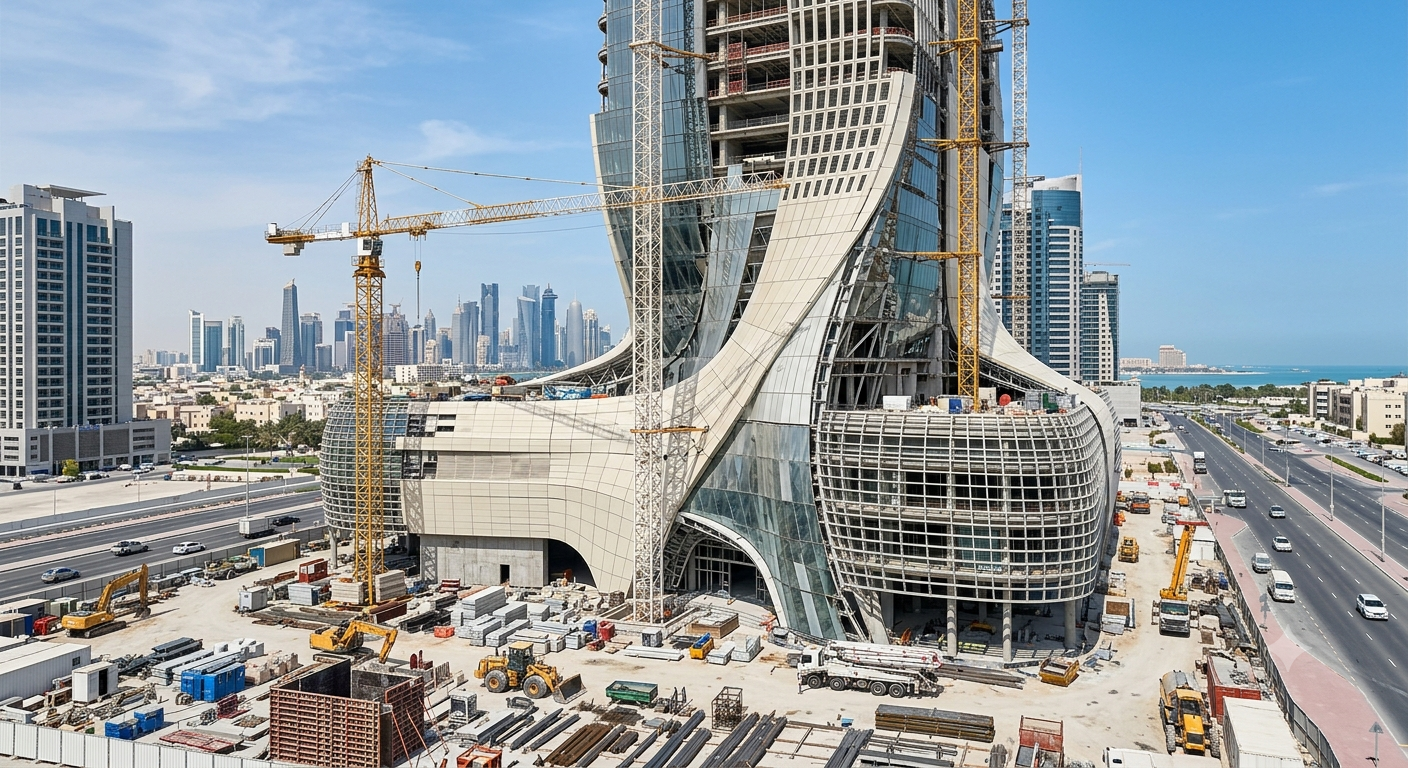
The Middle East is entering a transformative era in construction. With multi-billion-dollar megaprojects, ambitious sustainability goals, and rapidly expanding urban populations, the region is redefining how buildings and infrastructure are designed and constructed. Countries such as the United Arab Emirates, Saudi Arabia, Qatar, and Oman are investing heavily in smart cities, green buildings, and resilient infrastructure that can withstand extreme climatic conditions while reducing environmental impact.
At the center of this transformation are next-generation building materials. These innovative materials are engineered to deliver superior strength, durability, energy efficiency, and sustainability compared to conventional construction products. From low-carbon concrete and ultra-high-performance concrete (UHPC) to graphene-enhanced composites and self-healing materials, the latest innovations are helping developers reduce lifecycle costs, lower carbon emissions, and improve building performance.
The adoption of advanced construction materials is no longer driven solely by innovation—it has become a strategic necessity. Governments across the Gulf Cooperation Council (GCC) are implementing stricter environmental regulations, promoting net-zero carbon initiatives, and encouraging sustainable construction practices. Developers are also seeking materials that improve project efficiency, reduce maintenance requirements, and enhance occupant comfort.
This article explores the most promising next-generation building materials shaping the future of construction in the Middle East, their benefits, practical applications, and the opportunities they present for the region’s evolving built environment.
Why Building Materials Are Evolving
The construction industry has traditionally relied on materials such as concrete, steel, bricks, and glass. While these materials remain fundamental to modern construction, growing environmental concerns, technological advancements, and changing project requirements are driving significant innovation.
Climate Challenges
The Middle East experiences some of the world’s harshest environmental conditions, including:
- High temperatures exceeding 50°C
- Intense UV radiation
- Sandstorms
- High humidity in coastal regions
- Water scarcity
These factors accelerate material deterioration and increase maintenance costs. Next-generation materials are specifically engineered to improve durability and thermal performance under extreme conditions.
Net-Zero Construction
Buildings account for a significant share of global carbon emissions. Governments throughout the region are introducing sustainability frameworks aimed at reducing embodied carbon and operational emissions.
Innovative construction materials support these goals by:
- Lowering carbon emissions during manufacturing
- Improving building energy efficiency
- Reducing waste generation
- Extending building lifespan
- Supporting circular economy principles
Digital Construction
Building Information Modeling (BIM), artificial intelligence, digital twins, and robotics are transforming project delivery. Advanced materials are increasingly designed for compatibility with digital manufacturing techniques such as modular construction and 3D printing.
Cost Efficiency
Although advanced materials may have higher upfront costs, they frequently provide:
- Reduced maintenance
- Longer service life
- Faster installation
- Lower energy consumption
- Improved lifecycle value
As a result, developers are focusing on total lifecycle costs rather than initial material prices.
Low-Carbon Concrete: Reducing Construction’s Carbon Footprint
Concrete remains the world’s most widely used construction material. However, cement production contributes significantly to global carbon dioxide emissions, making sustainable alternatives a top priority.
What Is Low-Carbon Concrete?
Low-carbon concrete replaces portions of traditional Portland cement with supplementary cementitious materials such as:
- Fly ash
- Ground granulated blast-furnace slag (GGBS)
- Silica fume
- Calcined clay
- Limestone fillers
Some manufacturers are also incorporating carbon capture technologies that permanently store CO₂ within the concrete during production.
Key Benefits
Lower Carbon Emissions
Low-carbon concrete can reduce embodied carbon by 30–70%, depending on the mix design and production process.
Improved Durability
Many sustainable concrete mixes offer enhanced resistance to:
- Chloride penetration
- Sulfate attack
- Corrosion
- Cracking
This is particularly valuable for coastal infrastructure throughout the Gulf region.
Better Lifecycle Performance
Although initial costs may be slightly higher, reduced maintenance and extended service life often lower total ownership costs.
Applications in the Middle East
Low-carbon concrete is increasingly being specified for:
- High-rise developments
- Airports
- Metro systems
- Industrial facilities
- Commercial towers
- Infrastructure projects
As sustainability certification becomes more important, demand for environmentally responsible concrete solutions is expected to accelerate.
Ultra-High-Performance Concrete (UHPC)
Ultra-High-Performance Concrete represents one of the most significant advancements in concrete technology.
Unlike conventional concrete, UHPC combines optimized particle packing, steel fibers, and advanced admixtures to create exceptionally strong and durable structural elements.
Key Properties
UHPC offers:
- Compressive strength exceeding 150 MPa
- Extremely low permeability
- High tensile strength
- Exceptional durability
- Superior impact resistance
- Long service life
Advantages
Reduced Structural Weight
Because UHPC is considerably stronger than traditional concrete, structural elements can be thinner and lighter without compromising performance.
This allows:
- Longer bridge spans
- Slimmer columns
- Reduced material consumption
- Greater architectural flexibility
Extended Lifespan
UHPC structures can remain functional for well over 100 years with minimal maintenance.
Lower Maintenance Costs
Its resistance to corrosion and cracking significantly reduces repair requirements throughout a structure’s lifecycle.
Regional Applications
The Middle East’s expanding infrastructure sector presents enormous opportunities for UHPC in:
- Bridges
- Marine structures
- Stadiums
- High-rise towers
- Transportation hubs
- Luxury developments
As governments prioritize resilient infrastructure, UHPC is expected to become increasingly common across major projects.
Green Steel: Decarbonizing Structural Construction
Steel is essential for modern construction, yet conventional steel production generates substantial greenhouse gas emissions.
Green steel aims to solve this challenge through cleaner manufacturing processes.
What Is Green Steel?
Green steel is produced using technologies that dramatically reduce carbon emissions compared to traditional blast furnace production.
These include:
- Hydrogen-based direct reduction
- Electric arc furnaces powered by renewable energy
- Increased recycled steel content
- Carbon capture technologies
Benefits
Significant Carbon Reduction
Green steel can reduce production-related emissions by more than 90% depending on the manufacturing process.
Circular Economy Support
Steel remains one of the world’s most recyclable construction materials.
Recycling existing steel reduces:
- Mining
- Energy consumption
- Waste generation
High Structural Performance
Green steel delivers the same structural integrity and durability as conventional steel while offering improved sustainability credentials.
Growing Demand in the Middle East
The Middle East is investing heavily in:
- Renewable energy
- Green hydrogen production
- Sustainable manufacturing
- Net-zero industrial development
These investments position the region as a future leader in low-carbon steel production.
Developers seeking internationally recognized sustainability certifications are increasingly specifying green steel for commercial buildings, airports, industrial projects, and large-scale infrastructure.
Conclusion
Next-generation building materials are transforming construction across the Middle East by improving sustainability, durability, and energy efficiency. From low-carbon concrete and green steel to UHPC, smart materials, and advanced insulation, these innovations are helping developers deliver high-performance buildings while supporting the region’s ambitious net-zero and smart city goals.
As demand for resilient and environmentally responsible infrastructure continues to grow, adopting advanced construction materials will be essential for future-ready projects. Stay connected with Construction Middle East for the latest insights, industry trends, and expert analysis shaping the future of construction in the region.