Introduction
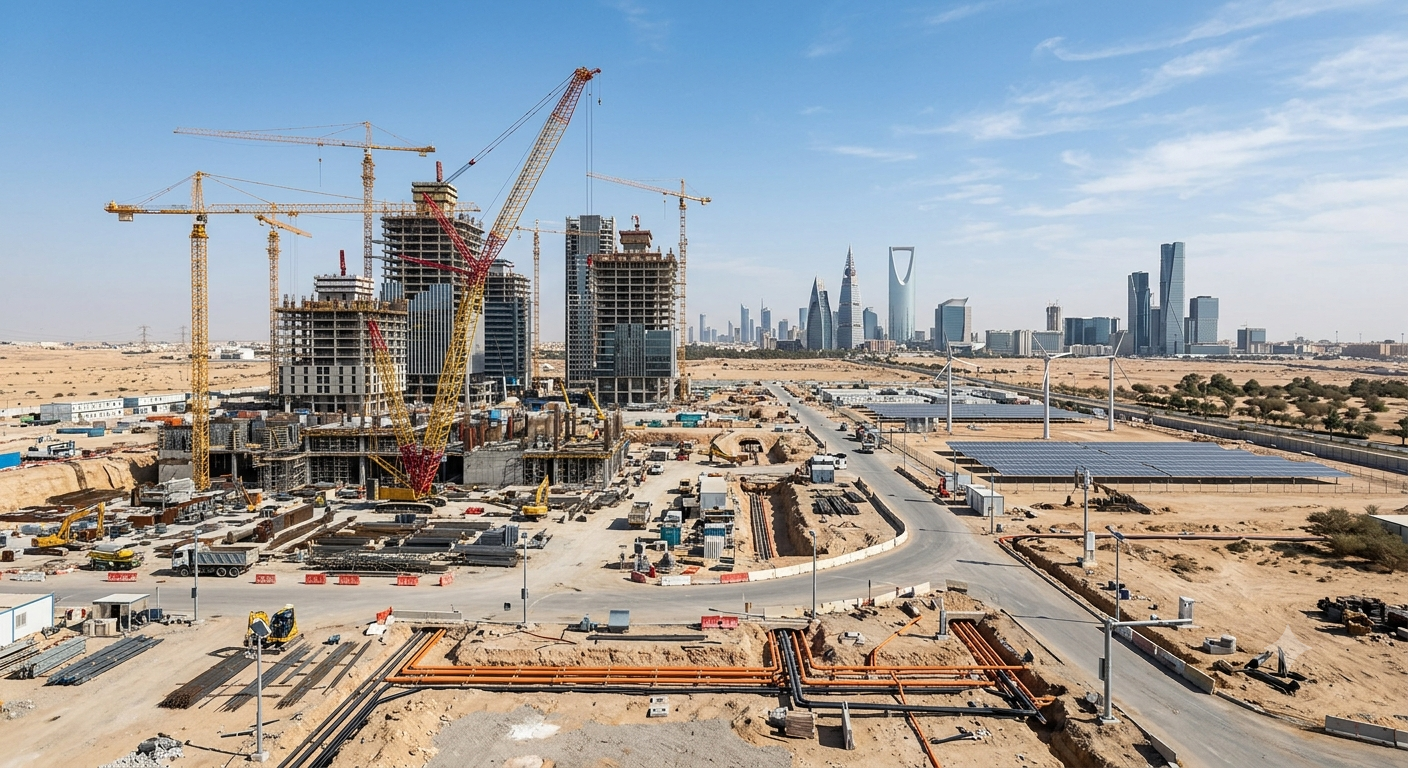
The construction industry is undergoing a major digital transformation, and one technology leading this change is Building Information Modeling (BIM). From skyscrapers in Dubai to mega developments in Saudi Arabia, BIM is becoming an essential tool for planning, designing, constructing, and managing modern infrastructure projects.
But what exactly is BIM, and why is it so important for the future of construction?
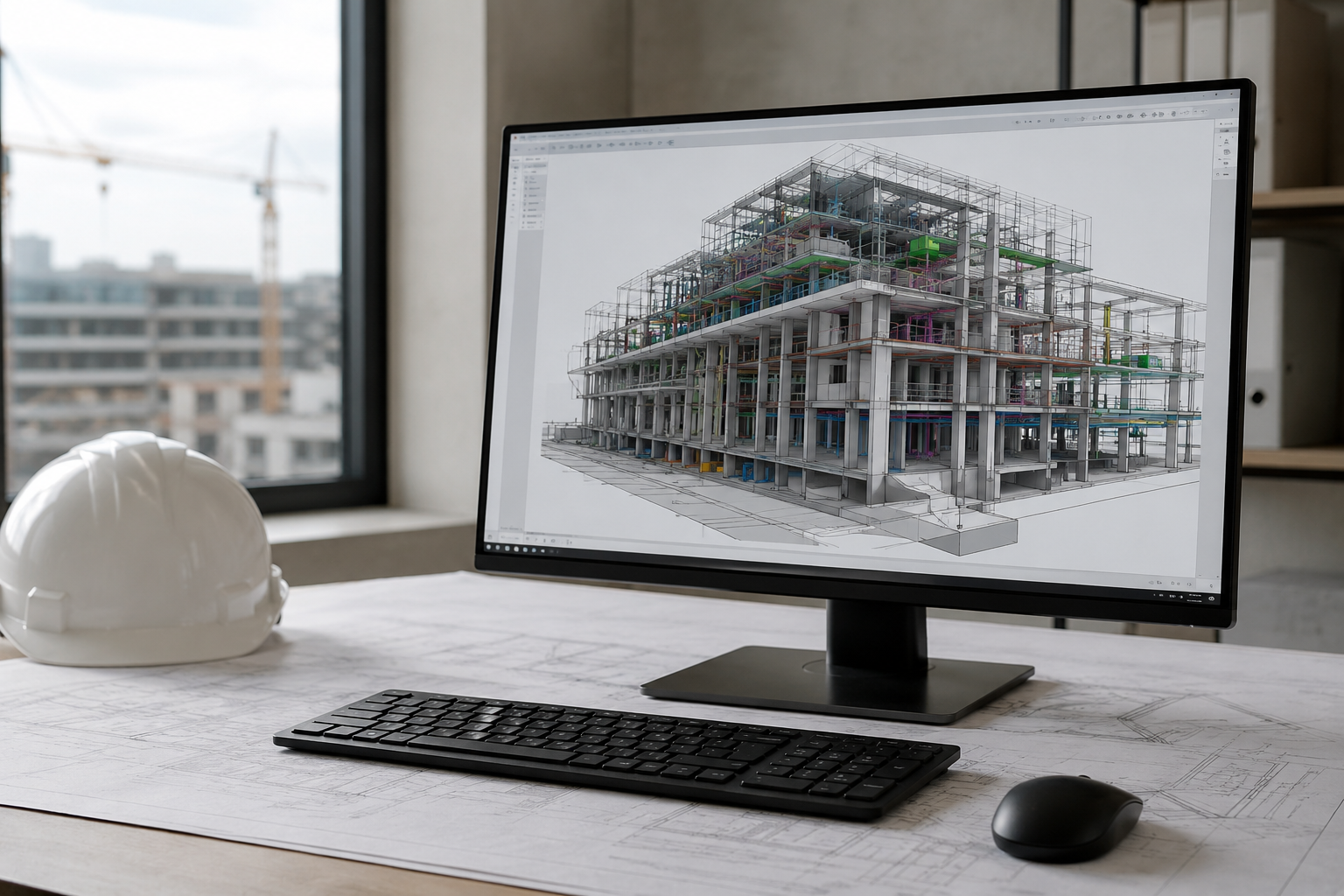
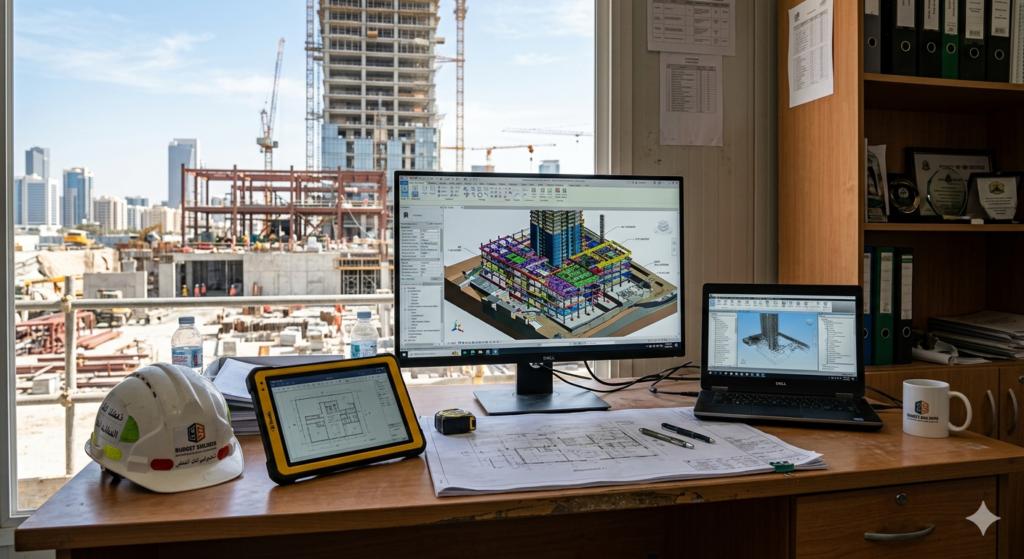
In simple terms, Building Information Modeling (BIM) is a digital process that creates and manages detailed 3D models containing physical and functional information about a building or infrastructure asset. Unlike traditional design methods, BIM enables architects, engineers, contractors, and project owners to collaborate in a shared digital environment, reducing errors, improving efficiency, and lowering project costs.
As the Middle East construction market continues to invest heavily in smart cities, sustainable buildings, and mega projects, BIM is rapidly becoming a key technology driving innovation and project success.
What Is BIM (Building Information Modeling)?
Building Information Modeling (BIM) is a digital representation of a building’s physical and functional characteristics throughout its lifecycle.
Rather than relying on separate drawings and documents, BIM integrates all project information into a centralized model that can be accessed and updated by project stakeholders in real time.
A BIM model typically includes:
- Architectural designs
- Structural elements
- Mechanical, Electrical, and Plumbing (MEP) systems
- Material specifications
- Cost data
- Construction schedules
- Facility management information
This integrated approach helps teams make informed decisions from design through operation and maintenance.
Simple Definition of BIM
BIM is a collaborative digital process that allows construction professionals to create, manage, and share intelligent 3D models throughout a project’s lifecycle.
This concise definition is commonly used in featured snippets and search results.
How Does BIM Work?
BIM works by creating a shared digital model that acts as a single source of truth for everyone involved in a project.
The process generally follows these stages:
1. Planning and Design
Architects and engineers create intelligent 3D models containing design data and technical specifications.
2. Coordination and Collaboration
Project stakeholders work within the same digital environment, reducing communication gaps and design conflicts.
3. Construction Management
Contractors use BIM models to improve scheduling, resource allocation, and site coordination.
4. Facility Operations
Building owners use BIM data for maintenance, renovations, and long-term asset management.
This end-to-end approach significantly improves project visibility and decision-making.
Key Benefits of BIM in Construction
The growing adoption of BIM in Construction is largely driven by its ability to improve project outcomes.
Improved Collaboration
BIM allows architects, engineers, contractors, and project owners to work together using a shared digital model.
Benefits include:
- Better communication
- Faster approvals
- Fewer misunderstandings
- Improved project transparency
Reduced Errors and Rework
Traditional construction projects often suffer from design conflicts that are discovered during construction.
BIM’s clash detection capabilities help identify issues before work begins, reducing costly rework.
Better Cost Control
One of the biggest advantages of BIM is accurate cost estimation.
Project teams can:
- Track quantities
- Estimate budgets
- Monitor expenses
- Improve financial forecasting
Enhanced Project Scheduling
BIM supports 4D modeling, which combines 3D models with project timelines.
This enables teams to:
- Visualize construction sequences
- Improve planning
- Reduce delays
- Optimize resources
Increased Sustainability
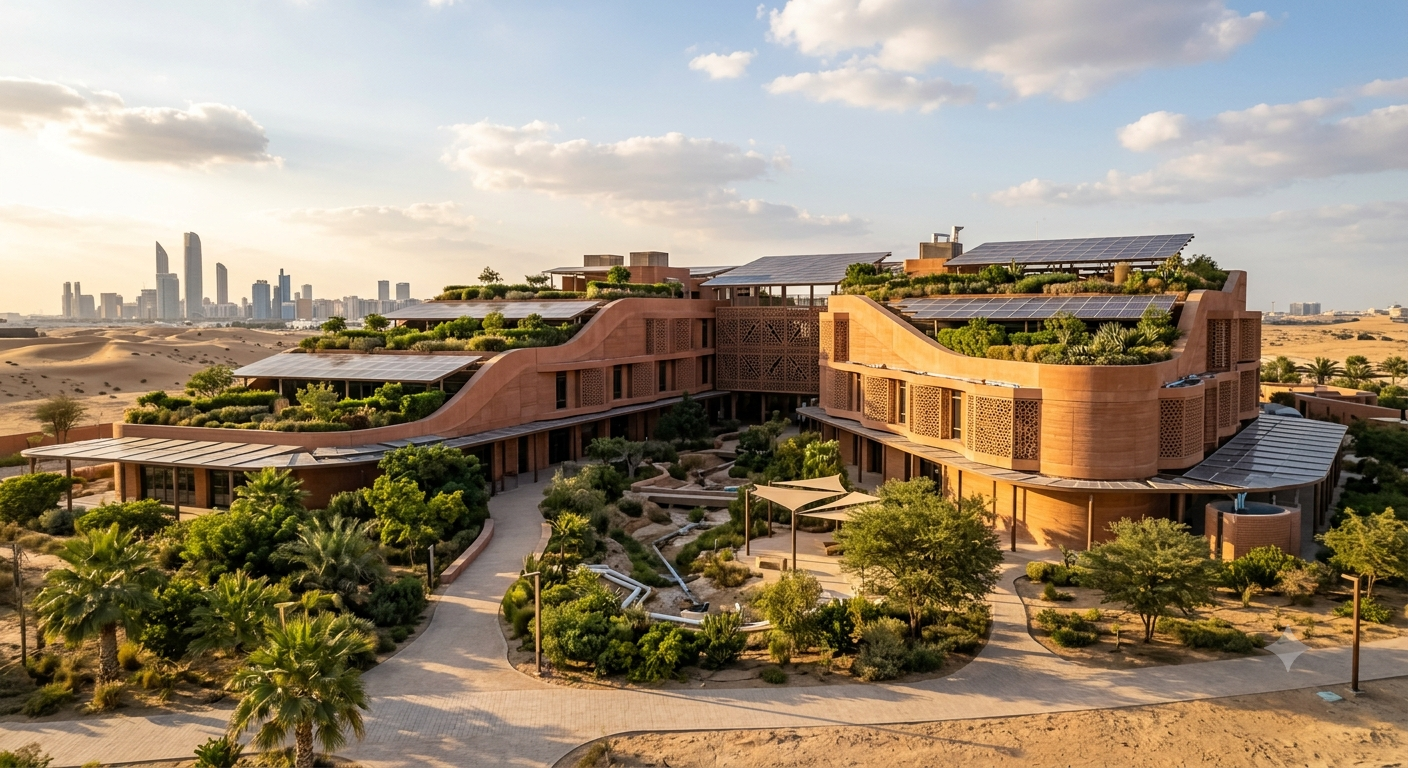
Sustainable construction is becoming a major priority across the Middle East.
BIM helps optimize:
- Energy efficiency
- Material usage
- Building performance
- Carbon reduction strategies
BIM in the Middle East Construction Industry
The adoption of BIM Middle East technologies has accelerated significantly over the past decade.
Countries across the GCC are embracing digital construction methods to support ambitious infrastructure and real estate developments.
United Arab Emirates
The UAE is one of the regional leaders in BIM implementation.
Dubai’s government has encouraged BIM adoption for large-scale projects to improve efficiency and sustainability.
Major sectors using BIM include:
- Commercial towers
- Airports
- Residential developments
- Smart city projects
Saudi Arabia
Saudi Arabia’s Vision 2030 initiative has created enormous opportunities for BIM implementation.
Mega projects such as:
- NEOM
- The Red Sea Project
- Qiddiya
- Diriyah Gate
rely heavily on digital construction technologies, including Building Information Modeling.
Qatar and GCC Countries
Across the GCC, BIM is increasingly used for:
- Infrastructure development
- Transportation networks
- Healthcare facilities
- Educational institutions
This trend is expected to continue as governments prioritize digital transformation.
BIM Technology in Construction: Emerging Trends
The future of BIM Technology in Construction extends beyond 3D modeling.
Several emerging technologies are enhancing BIM capabilities.
Artificial Intelligence (AI)
AI-powered BIM solutions help automate design analysis, risk assessment, and project optimization.
Digital Twins
Digital twins create real-time virtual replicas of buildings and infrastructure assets.
Combined with BIM, digital twins improve:
- Facility management
- Predictive maintenance
- Operational efficiency
Cloud-Based Collaboration
Cloud platforms enable project teams to access BIM data from anywhere, improving collaboration across multiple locations.
Smart Cities Integration
As Middle Eastern cities invest in smart infrastructure, BIM plays a crucial role in integrating transportation, utilities, buildings, and urban planning systems.
Popular BIM Construction Software
Many organizations use specialized BIM Construction Software to develop and manage projects.
Popular solutions include:
- Autodesk Revit
- Navisworks
- Bentley Systems
- ArchiCAD
- Tekla Structures
These platforms help construction professionals create intelligent models and improve project coordination.
Why BIM Is the Future of Construction
Construction projects are becoming increasingly complex.
BIM addresses many of the industry’s biggest challenges by providing:
- Better collaboration
- Improved accuracy
- Lower project costs
- Enhanced sustainability
- Faster project delivery
As governments and developers across the Middle East continue investing in digital construction, BIM is expected to become a standard requirement for large-scale projects.
Organizations that adopt BIM today will be better positioned to compete in tomorrow’s construction market.
Frequently Asked Questions (FAQ)
What is BIM in construction?
BIM (Building Information Modeling) is a digital process that creates and manages intelligent 3D models containing information about a building’s design, construction, and operation.
What are the main benefits of BIM?
The main benefits include improved collaboration, reduced errors, better cost control, enhanced scheduling, and increased sustainability.
Why is BIM important in the Middle East?
BIM supports the region’s growing number of mega projects, smart cities, and sustainable developments by improving efficiency and project management.
What software is commonly used for BIM?
Popular BIM software includes Autodesk Revit, Navisworks, Bentley Systems, ArchiCAD, and Tekla Structures.
Is BIM only used for large projects?
No. While BIM is commonly used for large-scale developments, it can also provide significant benefits for small and medium-sized construction projects.
Conclusion
Building Information Modeling (BIM) is revolutionizing how construction projects are planned, designed, built, and managed. By improving collaboration, reducing errors, optimizing costs, and supporting sustainability goals, BIM has become an essential technology for modern construction.
As the Middle East continues to lead global infrastructure development through mega projects, smart cities, and digital transformation initiatives, BIM will play an increasingly important role in shaping the future of the construction industry.
To stay updated on the latest trends, technologies, and insights shaping the regional construction sector, explore more expert articles here on Construction Middle East.